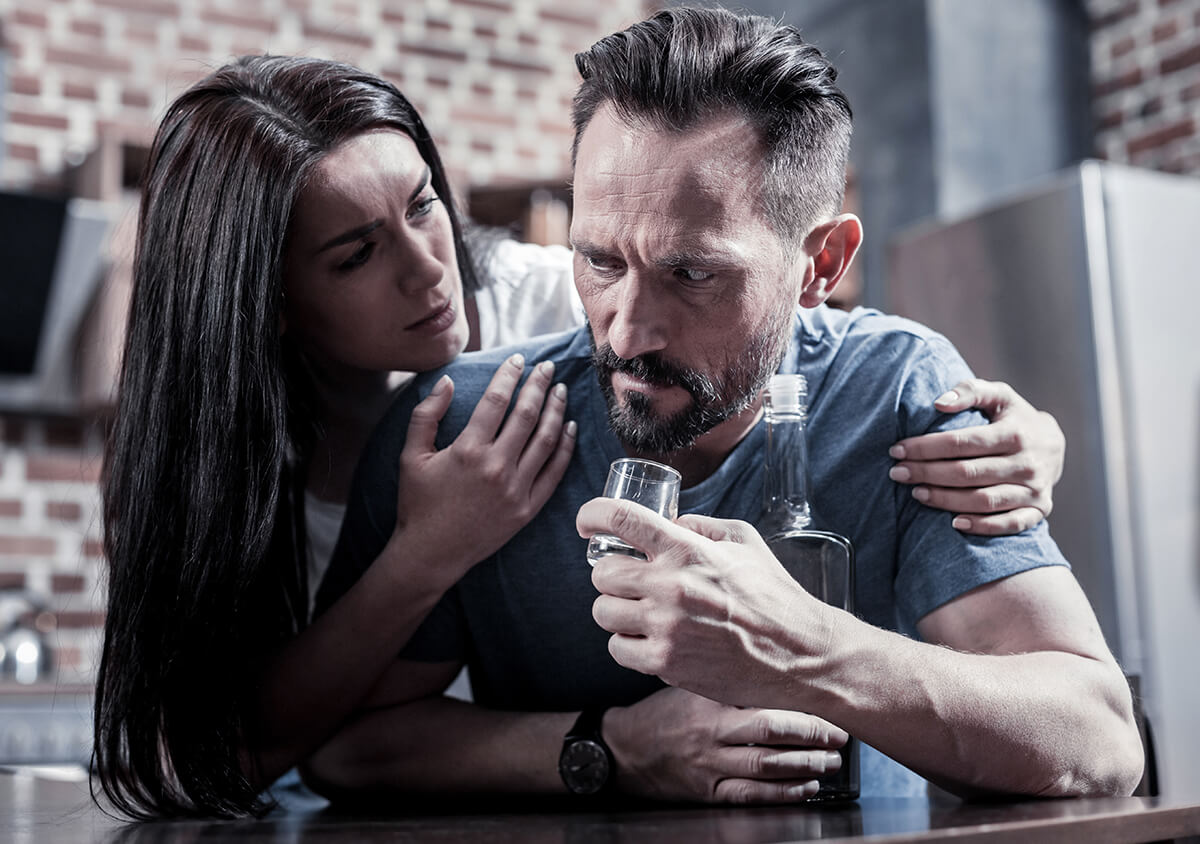
Love in Recovery: How Couples Can Build a Strong Marriage While Overcoming Addiction Together
ring5 Uncategorized 0 Comments
 Building a marriage is a meaningful journey on its own, but when addiction recovery is part of the story, the relationship takes on even deeper layers of growth, resilience, and responsibility. Love in recovery is not about perfection. It is about two people choosing healing, accountability, and emotional honesty while learning how to support each other in a sustainable way. With the right tools and support, couples can create a strong marriage that not only survives recovery but grows because of it.
Understanding Love in the Context of Recovery
Addiction Does Not Define the Relationship
Addiction can impact communication, trust, emotional safety, and daily routines, but it does not define the future of a relationship. Many couples enter recovery with a shared commitment to change and rebuild their connection. This process takes time, patience, and intentional effort.
Recovery encourages both individuals to look at patterns, triggers, and emotional needs in a new way. When approached together, it can become a shared foundation for healthier relationship habits.
Why Couples in Recovery Face Unique Challenges
While every marriage has challenges, couples in recovery may experience additional emotional layers such as:
- Rebuilding trust after past hurt or instability
- Managing triggers related to stress or conflict
- Navigating mental health concerns alongside sobriety
- Learning new communication patterns
Recognizing these challenges early allows couples to respond with awareness instead of frustration.
Building a Strong Foundation for Marriage in Recovery
Prioritize Honest and Open Communication
Communication is the foundation of any strong relationship, especially in recovery. Couples should create space for regular, honest conversations about emotions, needs, and challenges.
Healthy communication includes:
- Speaking openly without fear of judgment
- Listening with empathy and patience
- Addressing issues early instead of avoiding them
When communication improves, emotional safety grows stronger, which supports both recovery and marriage stability.
Practice Emotional Accountability
Accountability is essential in recovery and relationships. It means taking responsibility for actions, acknowledging mistakes, and making meaningful changes. Couples who practice accountability together often build deeper trust and emotional maturity over time.
Supporting Each Other Through Recovery
Respect Individual Recovery Journeys
Even in a strong marriage, each partner has their own recovery process. One person’s progress may look different from the other’s, and that is normal. Supporting each other means respecting those differences while encouraging continued growth.
Each partner should maintain their own recovery practices, such as:
- Therapy or counseling
- Support group participation
- Personal reflection or mindfulness routines
- Healthy lifestyle habits
Avoid Codependency and Enablement
One of the most important aspects of love in recovery is maintaining healthy boundaries. Supporting a partner does not mean taking responsibility for their recovery.
Healthy relationships avoid:
- Controlling behaviors
- Taking over accountability
- Ignoring personal emotional needs
Instead, couples should aim for mutual support rooted in respect and independence.
Strengthening the Relationship Through Healthy Habits
Create Shared Wellness Routines
Couples who build healthy routines together often experience stronger emotional connection and stability. Shared habits might include:
- Exercising or walking together
- Practicing mindfulness or prayer
- Attending recovery meetings when appropriate
- Cooking healthy meals or maintaining structure at home
These routines help reinforce stability and create positive shared experiences.
Develop Healthy Conflict Resolution Skills
Disagreements are normal, but in recovery, how couples handle conflict matters greatly. Healthy conflict resolution includes:
- Staying calm during disagreements
- Focusing on solutions rather than blame
- Taking breaks when emotions feel overwhelming
- Returning to the conversation with clarity
Learning these skills helps prevent emotional escalation and supports long-term relationship health.
The Role of Professional Support in Recovery and Marriage
Individualized Treatment Matters
Addiction and mental health challenges are deeply personal. Effective recovery often includes individualized treatment plans that address both emotional and behavioral needs. Programs such as inpatient care, outpatient treatment, and holistic or faith-based support can provide structure and guidance.
Couples Benefit From Continued Care
Even after initial treatment, ongoing support can strengthen long-term recovery. Counseling, therapy, and support groups help couples continue building healthy communication and emotional resilience.
Professional care provides tools for:
- Relapse prevention strategies
- Emotional regulation skills
- Relationship communication support
- Mental health stabilization
Building a Future Together in Recovery
Focus on Growth, Not Perfection
A strong marriage in recovery is not defined by perfection. It is defined by progress, honesty, and commitment. Couples who focus on growth rather than flawless behavior often build deeper and more meaningful relationships.
Celebrate Small Wins Together
Acknowledging progress helps reinforce motivation. Celebrating milestones in recovery, communication improvements, or shared achievements strengthens emotional connection and builds hope for the future.
Conclusion: Love That Heals and Grows Together
Love in recovery is a powerful journey of transformation. Couples who choose honesty, accountability, and emotional support can build a marriage that is resilient and deeply connected. Recovery does not weaken relationships. It can strengthen them by encouraging clarity, trust, and intentional love.
If you or your partner are navigating addiction recovery or mental health challenges while building your marriage, professional support can make a meaningful difference. Compassionate, individualized treatment through addiction recovery and mental health care can help you strengthen your relationship, protect your sobriety, and build a future grounded in healing and lasting love.