When Love and Recovery Meet: Creating a Healthy, Sober Wedding Experience That Lasts
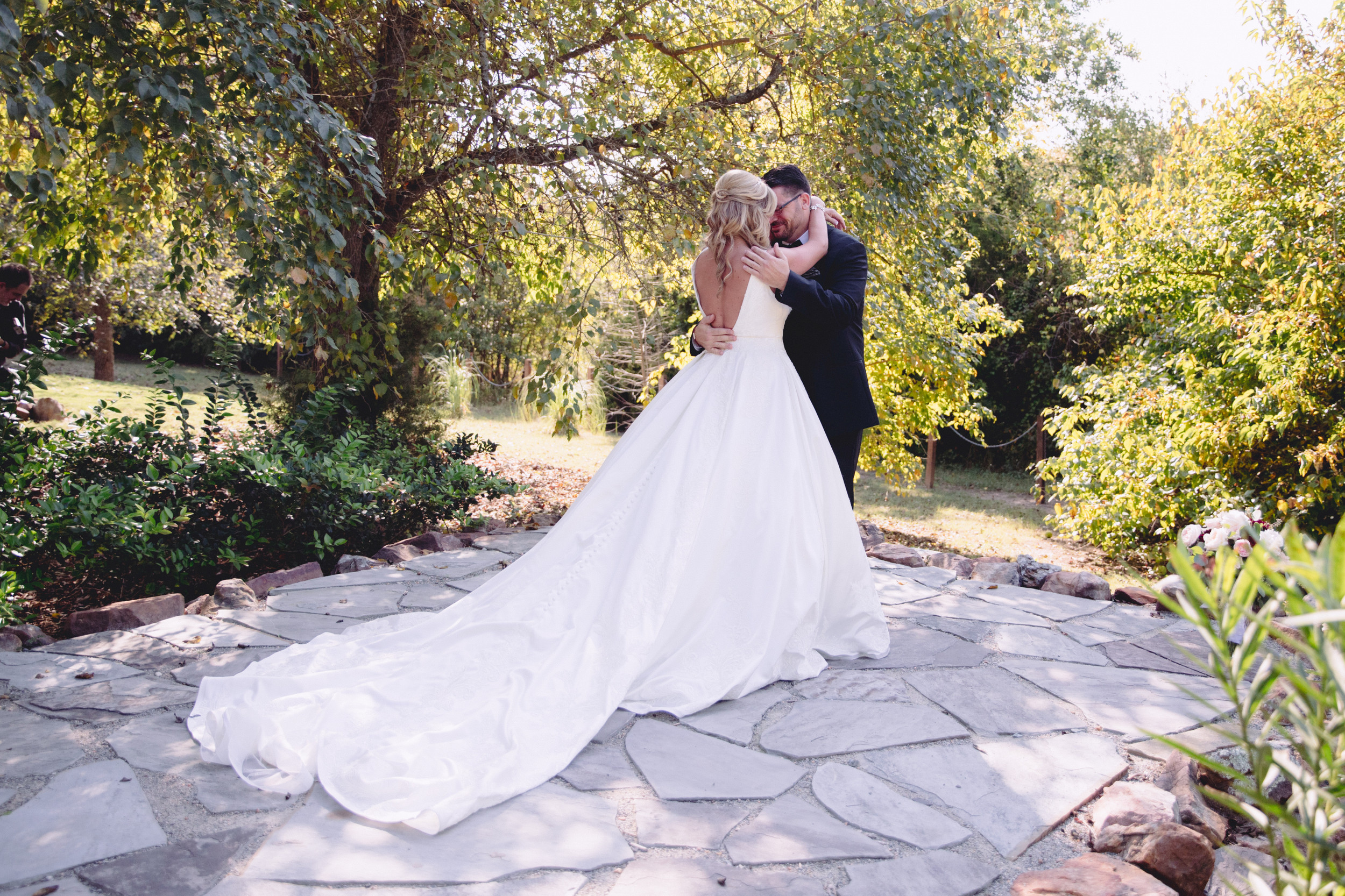 A wedding marks the beginning of a new chapter, one built on love, trust, and a shared vision for the future. For couples who have experienced addiction and embraced recovery, this milestone carries even greater significance. It represents not only a commitment to each other but also a commitment to protecting the healthy lives they have worked so hard to build. Planning a sober wedding is not about giving something up. It is about creating an environment where love, healing, and genuine connection can flourish without compromising recovery.
Whether one or both partners are in recovery, approaching wedding planning with intention can reduce stress, strengthen the relationship, and lay the groundwork for a lasting marriage. With compassionate support, healthy boundaries, and continued attention to mental wellness, couples can celebrate confidently while honoring their recovery journey.
Why Recovery Should Remain a Priority During Wedding Planning
Major Life Events Can Increase Stress
Getting engaged and planning a wedding are exciting experiences, but they also introduce emotional and practical challenges. Budget decisions, guest lists, family expectations, and packed schedules can increase stress levels, even for couples with strong relationships.
For individuals recovering from substance use disorders, unmanaged stress may become a trigger. That is why maintaining recovery routines throughout the engagement period is just as important as choosing the perfect venue or selecting wedding attire.
Sobriety Creates Space for Authentic Celebration
A sober wedding allows couples to experience every meaningful moment with clarity and presence. Instead of relying on alcohol or substances to enhance the celebration, couples can focus on genuine emotions, meaningful conversations, and lasting memories.
Many guests also appreciate an atmosphere centered on connection rather than drinking, making the celebration welcoming for everyone.
Building a Wedding That Reflects Your Recovery Values
Start With Shared Goals
Before making wedding plans, take time to discuss what matters most as a couple. Your shared vision should reflect not only your personalities but also your commitment to recovery.
Consider discussing:
- How your wedding can support sobriety
- Ways to reduce unnecessary stress
- Family expectations and healthy boundaries
- Recovery goals during the engagement period
- The type of atmosphere you want your guests to experience
When couples make decisions together, they strengthen communication and reduce potential conflict.
Design a Recovery Friendly Celebration
Every couple has different needs, but many choose to include thoughtful details that support emotional wellness.
Ideas include:
- Offering creative nonalcoholic beverages
- Planning activities that encourage conversation and connection
- Scheduling quiet moments throughout the day to recharge
- Informing vendors about any recovery related preferences
- Surrounding yourselves with supportive family members and friends
These intentional choices help create a celebration where everyone feels comfortable.
Strengthening Your Relationship Before Marriage
Communicate Openly and Often
Healthy communication is one of the strongest predictors of both successful recovery and successful marriage. Wedding planning offers countless opportunities to practice these skills.
Make time for regular conversations about:
- Emotional well-being
- Stress levels
- Financial decisions
- Recovery challenges
- Wedding responsibilities
Listening with empathy and responding respectfully builds trust and creates emotional safety.
Protect Individual Recovery
While marriage is a partnership, recovery remains a personal responsibility. Each partner should continue participating in the activities that support long term wellness.
This may include:
- Individual therapy
- Couples counseling
- Recovery meetings
- Spiritual practices
- Exercise and healthy nutrition
- Mindfulness or meditation
Maintaining these routines throughout engagement and marriage helps create stability.
The Importance of Holistic Healing
Recovery Involves the Whole Person
Lasting recovery extends beyond abstinence. It includes healing emotionally, mentally, physically, and spiritually. Couples who embrace holistic wellness often feel better equipped to manage life’s inevitable challenges together.
Healthy habits that support recovery include:
- Regular physical activity
- Quality sleep
- Balanced nutrition
- Stress reduction techniques
- Gratitude practices
- Faith based reflection for those who value spiritual growth
These habits also strengthen relationships by improving emotional regulation and resilience.
Address Mental Health Alongside Addiction
Mental health conditions such as anxiety, depression, or trauma frequently occur alongside addiction. Treating both concerns together often leads to stronger recovery outcomes and healthier relationships.
Individualized treatment plans that address both addiction and mental health provide couples with valuable tools for managing stress, improving communication, and maintaining long term wellness.
Preparing for a Marriage That Supports Recovery
Create a Shared Wellness Plan
Recovery does not end after the wedding. Couples should develop a plan for maintaining healthy routines throughout married life.
Your plan might include:
- Continuing therapy or counseling
- Scheduling regular relationship check ins
- Attending recovery meetings when appropriate
- Creating healthy daily routines
- Celebrating recovery milestones together
Small, consistent actions often have the greatest impact over time.
Ask for Support When You Need It
One of the greatest strengths in recovery is recognizing when additional support is needed. Whether challenges arise during wedding planning or later in marriage, seeking professional guidance demonstrates commitment, not weakness.
Compassionate treatment programs that offer inpatient care, outpatient services, holistic therapies, faith based support, and individualized treatment can help couples navigate life’s transitions while protecting both recovery and relationship health.
Conclusion
When love and recovery meet, couples have an extraordinary opportunity to build a marriage rooted in honesty, resilience, and hope. A healthy, sober wedding experience is not defined by what is missing. It is defined by what is present: authentic joy, meaningful connection, emotional wellness, and a shared commitment to a brighter future.
If you or someone you love is preparing for marriage while navigating addiction recovery or mental health challenges, professional support can provide valuable guidance. Comprehensive treatment that combines evidence-based care, holistic healing, faith based approaches, and personalized support can help you strengthen your recovery while building the lasting relationship you deserve.
Your wedding is only the beginning. By protecting your recovery and investing in your relationship, you are creating a foundation for a lifetime of love, healing, and shared success.